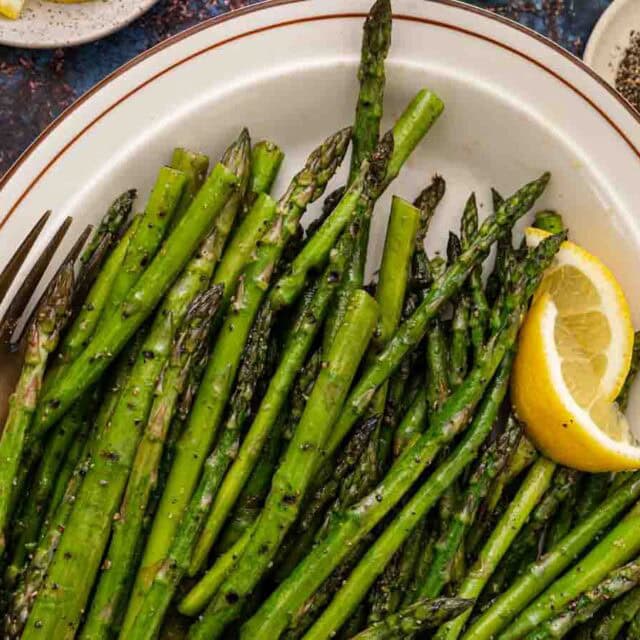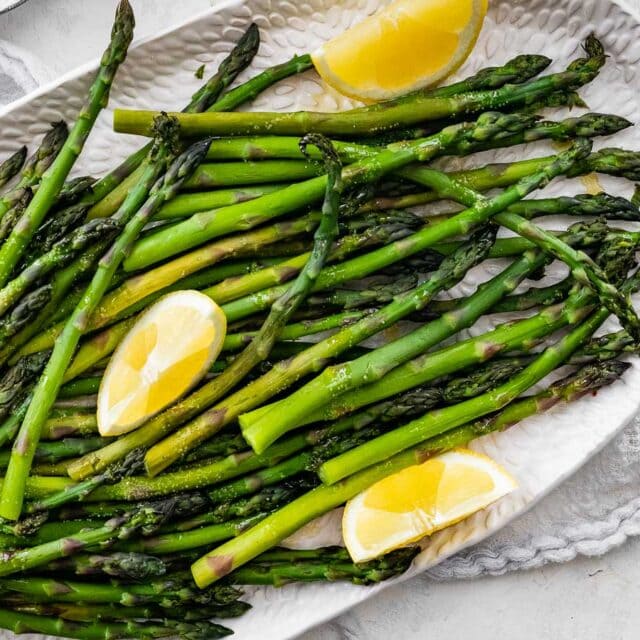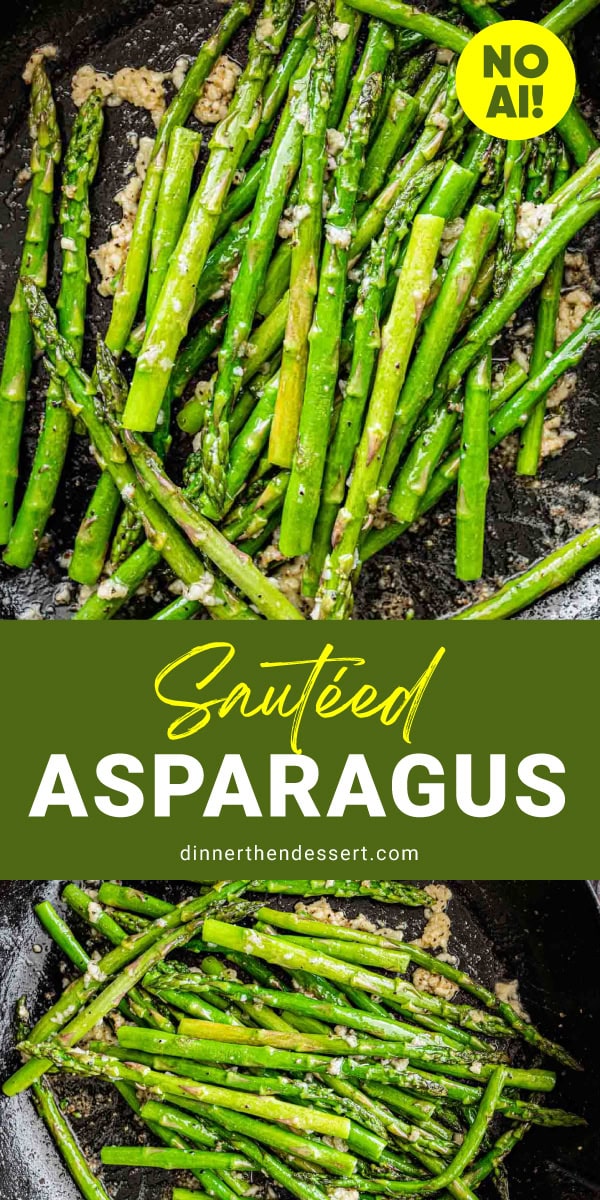

Sautéed Asparagus is a crisp and tender veggie side ready in just under 15 minutes. A fresh, flavorful Spring dish perfect for any meal!
I love making quick and versatile vegetable recipes like sauteed asparagus for the perfect last-minute dinner Side Dish. Try my Easy Sautéed Mushrooms, or Sautéed Carrots for more easy and tasty veggie dishes.
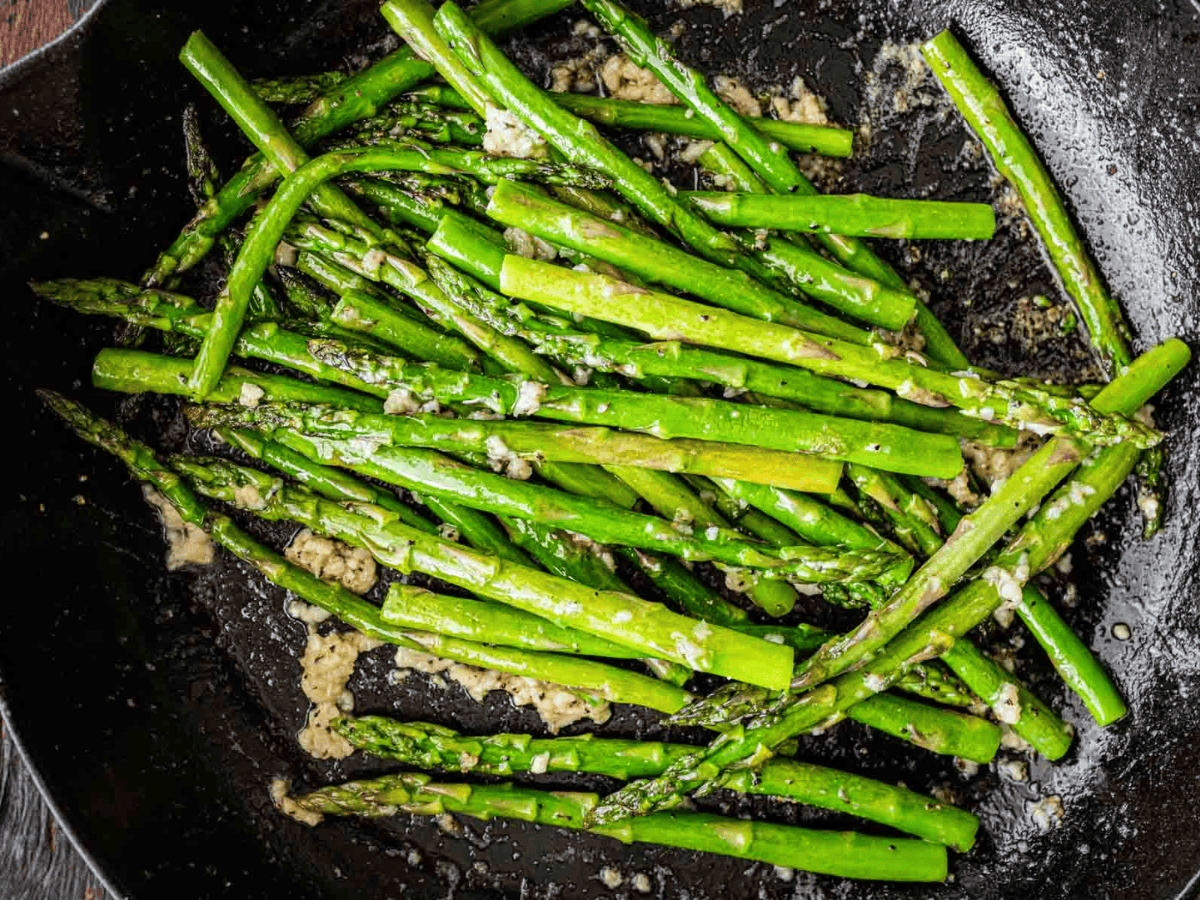
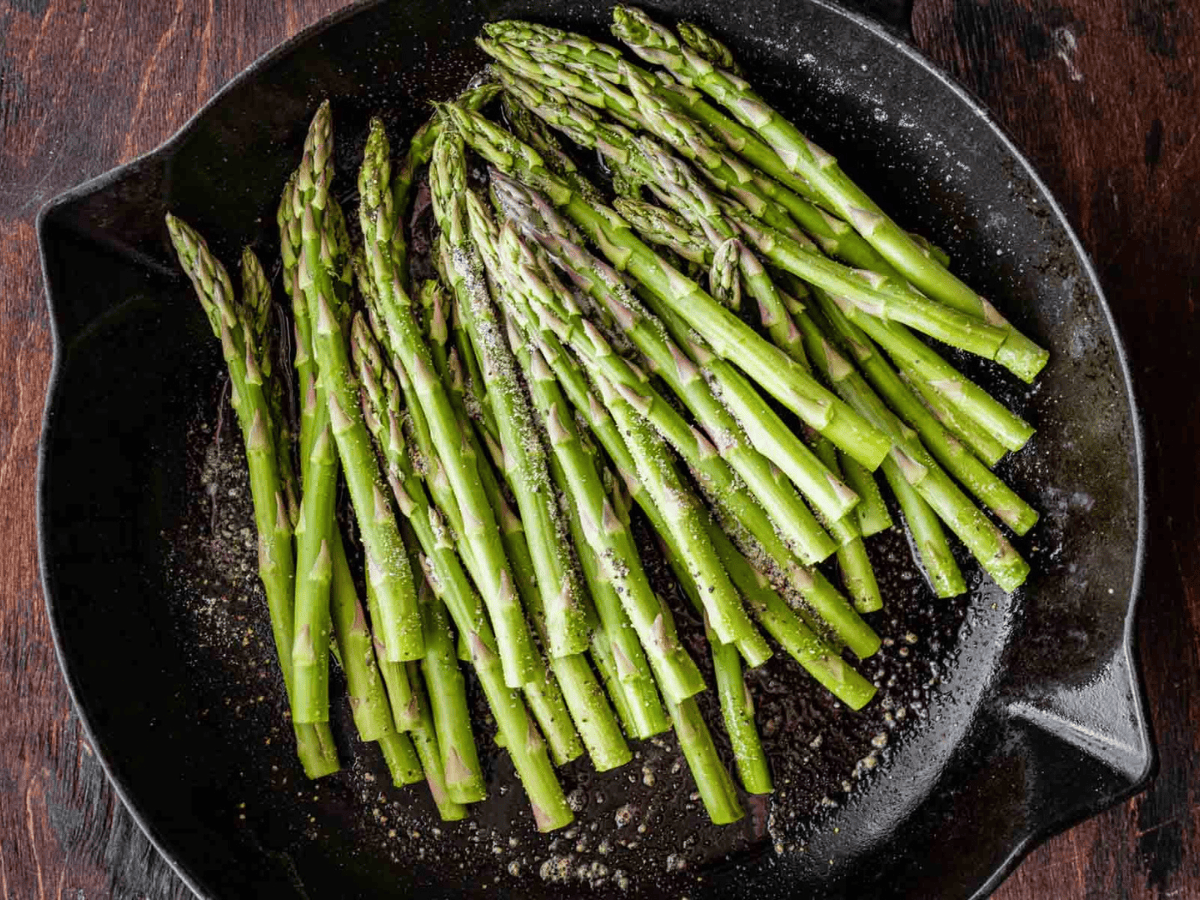
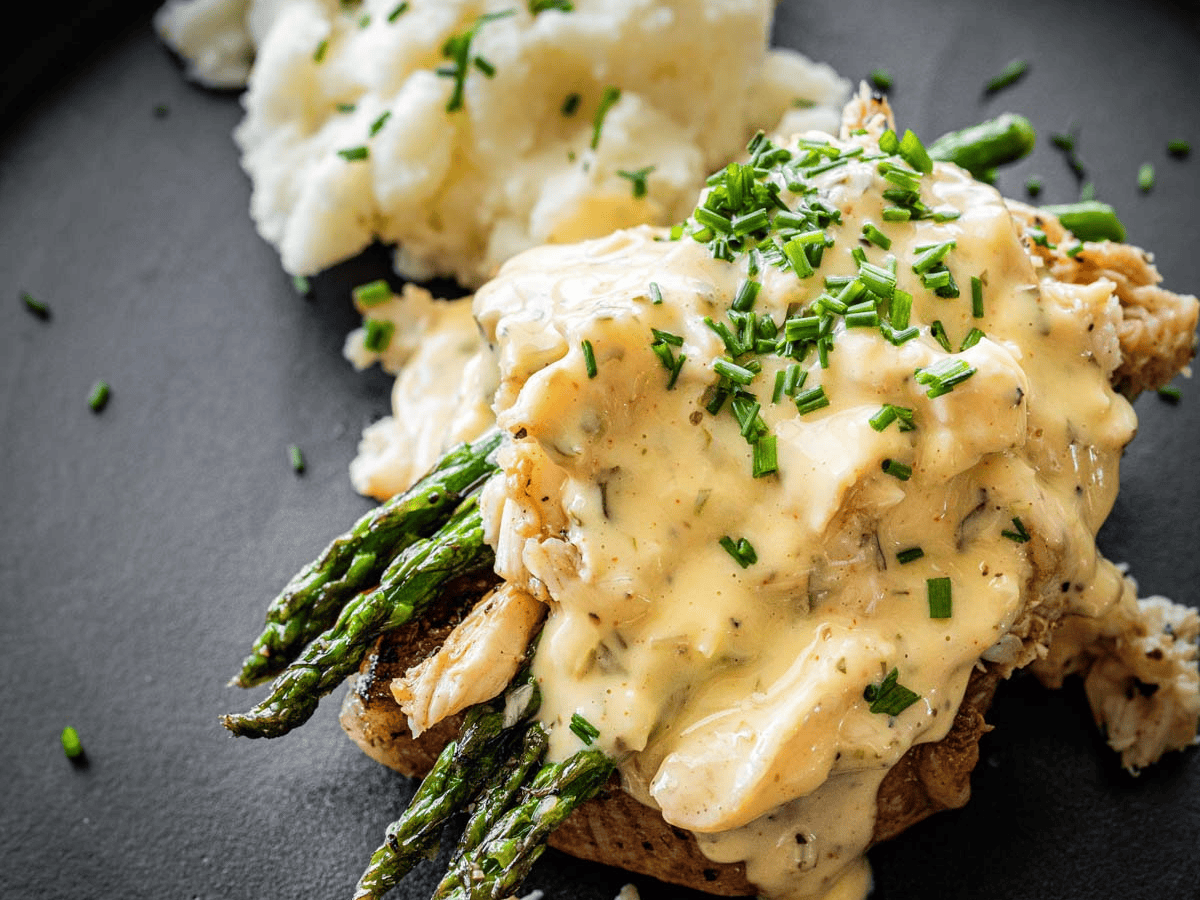
Sabrina’s Sautéed Asparagus Recipe
When cooked properly, asparagus has a buttery, lightly sweet, earthy flavor with just a hint of pleasant bitterness, and sautéing it enhances those natural notes while mellowing any sharpness. This quick method is my favorite because it delivers perfectly tender, buttery asparagus every time. Even picky eaters end up asking for seconds! Be sure to check out my variations
Recipe Card


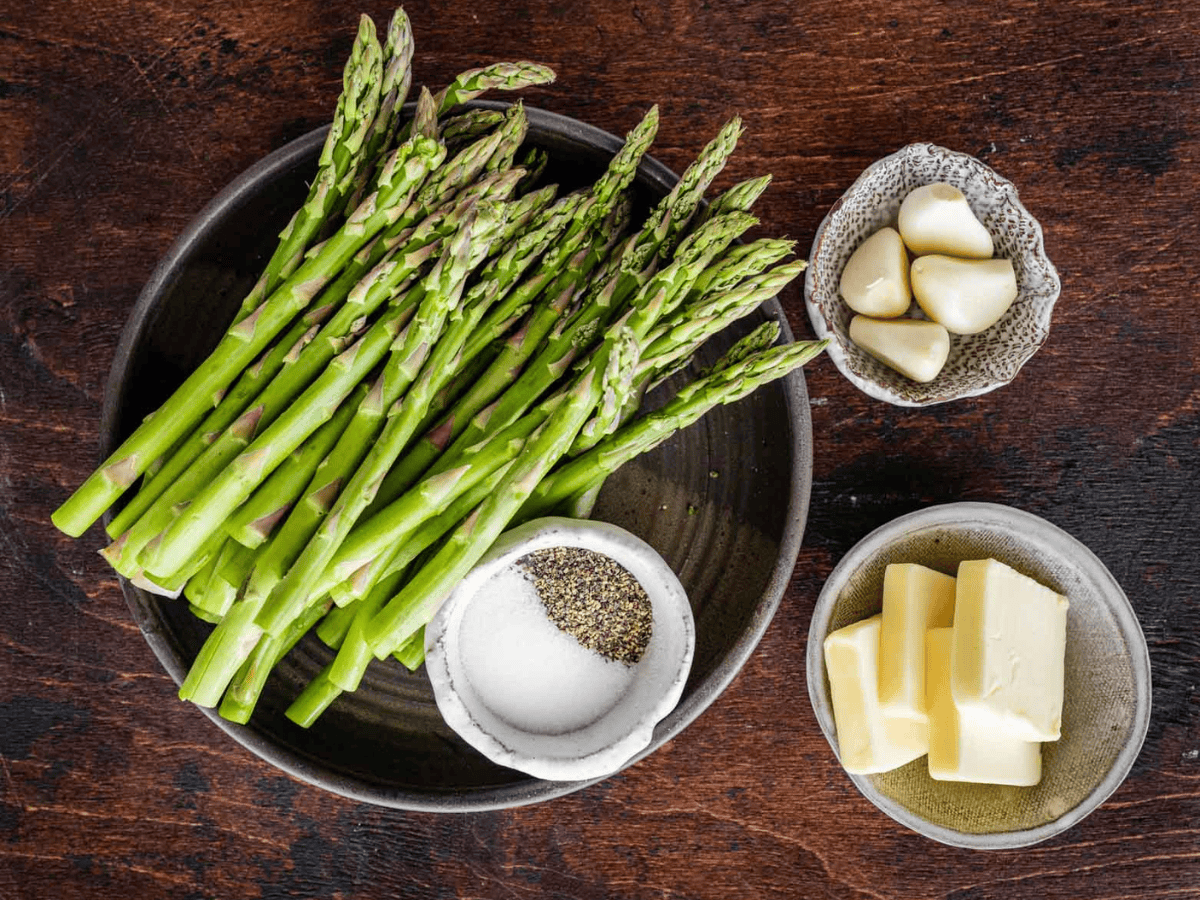
Ingredients
- 4 tablespoons unsalted butter
- 1 bunch asparagus , trimmed
- 1 teaspoon kosher salt
- 1/2 teaspoon coarse ground black pepper
- 4 cloves garlic , minced
Instructions
- Trim the woody end off of the asparagus and mince garlic.
- Add butter to a large skillet over medium-high heat.
- Add asparagus, salt and black pepper.
- Toss to coat.
- Cover and cook until asparagus for 6-8 minutes.
- Remove cover, add garlic, stir to coat and cook for 30 seconds.
Nutrition

Want to save this recipe? Create a free account to easily save your favorite recipes
Table of contents
Chef’s Note: Buying the best asparagus
The secret to this recipe starts with perfectly fresh asparagus spears. When shopping in the produce section, there are a few keys you can look for to select the best asparagus. The spears should have a rich green color, slowly fading into white at the bottom of the stalk, and the top of the asparagus should be tightly bunched together. I recommend looking for medium-thick asparagus for its excellent flavor and tender texture. Thinner spears tend to shrivel in the heat and really thick stalks take a bit longer to cook through. But don’t worry, the only difference is the cooking time, the taste is just as delicious no matter the size of the asparagus spear!
Can this be made ahead of time?
Sauteed vegetables are at their best when served fresh. Although you could make the asparagus in advance, you won’t get the same tender-crisp texture as you do serving the recipe right after cooking.
How to Store
- Store: If you have any leftover asparagus, you can save it for later. Let the vegetables cool, then seal them in an airtight container to keep fresh in the fridge for 3-4 days.
- Reheat: You can reheat the asparagus over medium heat on the stovetop. Add a drizzle of oil to keep the vegetables from drying out as you reheat them.
- Freeze: To freeze Sautéed Asparagus, let the vegetables cool, then place them in a freezer bag. Remove as much air as possible and seal the bag to store in the freezer for up to 6 months. You can reheat the vegetables from frozen in a 400° oven.
Sautéeing Tips & Tricks
Following these quick tips is the best way to make flavorful and crisp Sauteed Asparagus! You can use the same hints to saute other delicious veggies.
- Dry pan and ingredients
- To keep the asparagus from becoming mushy during the cooking time, it’s important to use a dry skillet and dry any excess moisture off of the veggies using a paper towel. This will keep the vegetables from steaming so that they can maintain a delightfully crisp texture.
- Heat pan
- Ahead of the cooking time, put the pan on the stovetop and let it come to temperature. You want the cooking oil and pan to be hot before sautéing for fast and even cooking.
Variations
- Frozen: If I’m short on time I use frozen asparagus. Let the vegetables defrost and drain them. Just make sure to pat the asparagus dry with paper towels to remove excess moisture before adding to the heat.
- Add lemon: To add fresh flavor and bright color to this asparagus recipe, you can squeeze fresh lemon juice over the top and add freshly grated lemon zest to garnish. Toss the asparagus with lemon to coat before serving.
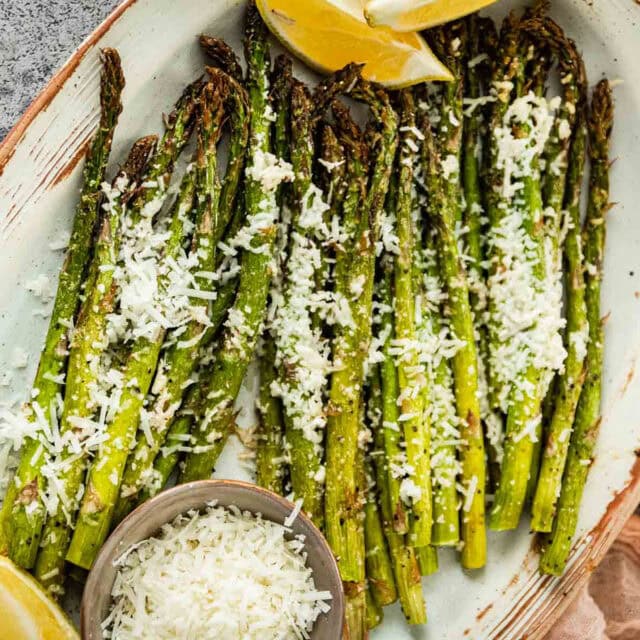
- Parmesan Asparagus: The sharp and nutty flavor of parmesan cheese goes perfectly with this buttery garlic asparagus recipe. Toss the Sauteed Asparagus pieces in grated parmesan cheese before serving.
- Cooking oil: If you don’t want to cook with butter, you can try other kinds of cooking oil like extra-virgin olive oil, vegetable oil, or avocado oil. You can also finish the recipe with a drizzle of olive oil or an extra pat of butter to give the vegetable recipe additional rich flavor when serving.
- Seasonings: There are plenty of ways that you can season this vegetable, depending on the flavors that you want to highlight. Try adding rosemary, basil, dill, onion powder, smoked paprika, red pepper flakes, cayenne pepper, or nutmeg to the recipe. Or simply season with salt and pepper.
Related Recipes
More Easy Asparagus Recipes